.jpg)
Got IT issues slowing you down? We provide both on-site and remote support across Australia, so help is never far away.
In 2025, data privacy 2025 is one of the most critical business topics for small and medium enterprises. The rapid adoption of artificial intelligence (AI) has unlocked productivity gains, smarter insights, and automation at scale — but it has also introduced new risks around how data is collected, stored, processed, and shared. For Australian SMBs navigating these changes, understanding AI data governance, privacy compliance Australia rules, and SME data protection responsibilities is essential to sustain growth without exposing your business to costly breaches or compliance failures.
As AI tools become embedded in everyday workflows — from customer service automation to predictive analytics — organisations must balance innovation with responsible data use. This guide explores how AI affects data privacy in 2025 and offers practical, SMB-focused steps to build responsible data practices that comply with legal requirements while still harnessing AI’s potential.
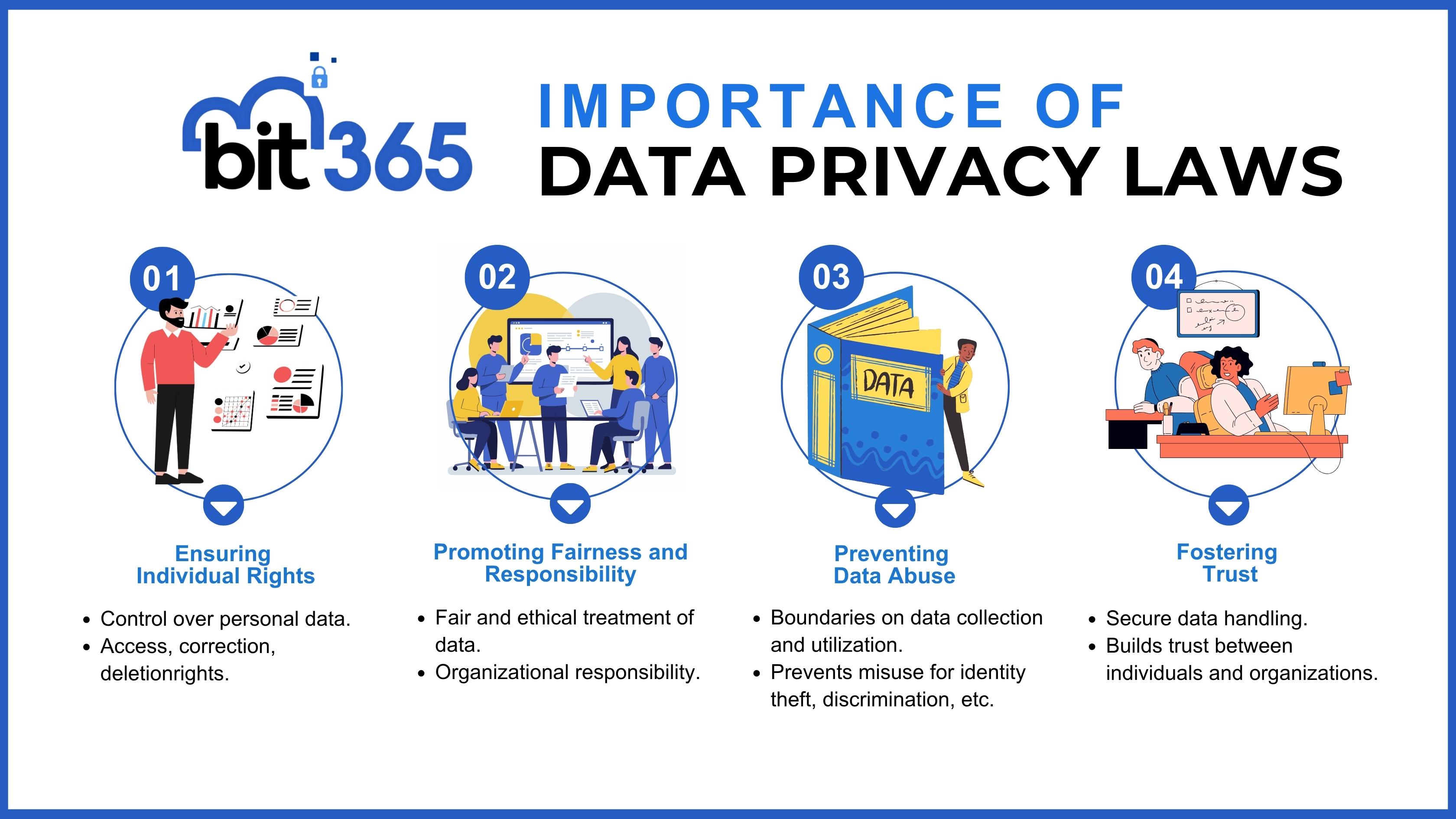
In the age of AI, data has become both a strategic asset and a liability. As organisations collect exponentially more information — including personal, behavioural, and transactional data — the ramifications of data misuse amplify rapidly. Consumers are increasingly data-savvy and expect transparent, secure handling of their personal information. In Australia, privacy compliance isn’t just a nice-to-have; it’s a legal obligation under the Privacy Act, and many SMBs also handle data subject to international standards like GDPR depending on where their customers reside.
AI systems often ingest large volumes of sensitive data to train models or generate insights. This raises crucial questions:
Failing to answer these questions can result in lost customer trust, regulatory penalties, and significant reputational damage.
AI tools bring powerful capabilities, but they also change the data privacy landscape in several ways:
AI requires access to diverse datasets — often combining personal identifiers with behavioural or sensitive data. Without proper governance, this increases the risk of unauthorised access, leakage, or inappropriate use.
When AI influences decisions — such as credit risk scoring, personalised pricing, or customer prioritisation — organisations must maintain explainability and fairness. Users have a right to understand how decisions affecting them are derived.
Many organisations rely on external AI platforms (including cloud-based APIs or third-party models). These platforms may store or process data outside direct organisational control, raising questions about compliance with Australian privacy laws and cross-border data handling.
Employees commonly use unsanctioned AI tools for tasks like drafting emails or summarising data. These use cases often bypass IT governance, risking sensitive data being input into unsecured platforms. Bit365
Effectively managing AI and data privacy requires structured governance tailored to small and medium businesses. Below are foundational principles every SMB should adopt:
Assign responsibility for data privacy to a defined role or team. This ensures:
This role can be a dedicated Data Protection Officer or a senior staff member with oversight of privacy and security practices.
Not all data has the same sensitivity. Classify data into categories — such as:
This enables appropriate handling rules (e.g., encryption levels, retention policies) based on risk and regulatory requirements.
Before rolling out any AI tool, define how it should be used. Your policy should specify:
Clarity prevents risky behaviours such as entering personal or confidential information into unsecured AI solutions. Bit365
Collect only the data you genuinely need, and use it only for its intended purpose. This reduces exposure and simplifies compliance with privacy standards.
Implementing AI responsibly doesn’t require complex technical solutions — it requires thoughtful planning and disciplined execution.
Audit your data assets and the AI tools your business uses. Document:
This inventory becomes the foundation for governance, compliance, and risk assessments.
Your data privacy policy should reflect how AI tools interact with personal data. Make sure it includes:
Transparent policies build trust and help with compliance requirements.
In many cases, collecting explicit consent before using personal data for AI processing is necessary. Ensure your business:
This protects both the individual and your business.
Technical safeguards protect the integrity and confidentiality of data:
These measures reduce the likelihood of breaches or misuse.
When using third-party AI services, verify their data protection capabilities:
Enterprise-grade platforms tend to provide better controls and transparency.
AI systems and regulations evolve quickly. Regular reviews ensure your compliance approach keeps pace and adapts to emerging risks and legal changes.

Here are immediate actions your business can take:
Challenge [1]: Lack of clear AI data governance policies leads to uncontrolled data use
BIT365 Solution: Develop structured governance frameworks with defined roles, approved tools, and enforceable policies aligning with both privacy compliance Australia standards and AI best practices.
Challenge [2]: Data processed by third-party AI systems without appropriate safeguards
BIT365 Solution: Vet AI vendors for compliance certifications, encryption standards, and contractual data protection clauses before integration.
Challenge [3]: Employees using unauthorised AI tools (Shadow AI) jeopardising privacy
BIT365 Solution: Introduce clear AI usage policies, sanctioned tools list, and continuous monitoring to prevent unwanted data exposure.
Challenge [4]: Unclear consent processes for data used in AI systems
BIT365 Solution: Update privacy notices and consent mechanisms to explicitly cover AI use cases and withdrawal options.
Challenge [5]: Compliance efforts lag behind AI adoption pace
BIT365 Solution: Regularly review regulations, update governance frameworks, and align AI practices with data privacy obligations through scheduled audits.
🌐 How Businesses Can Secure AI Tools
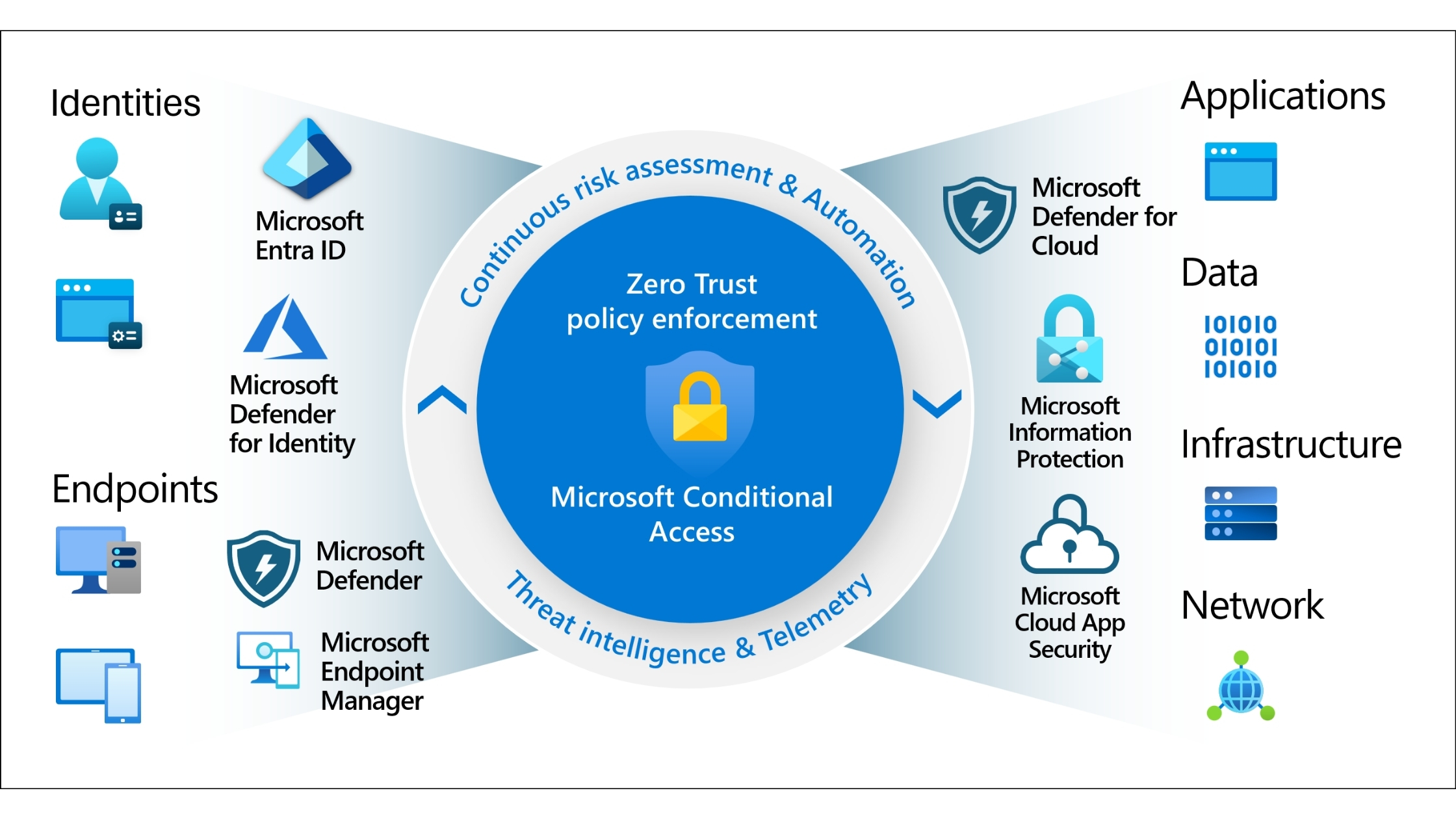
🌐 The Future of SME Cyber Resilience: How to Build a Zero-Trust Environment in 2025
🌐 Understanding Data Regulations: Why Compliance Matters for Small Businesses
AI offers incredible opportunities for innovation, but without proper governance, it can expose your SME to data privacy risks and compliance challenges. BIT365 helps Australian businesses navigate this complex landscape by creating practical, future-ready strategies for responsible AI use.
Whether you’re building data governance frameworks, selecting secure AI tools, or ensuring privacy compliance Australia-wide, our team provides tailored advice and implementation support. Contact us today and let’s make AI both an enabler and a protector of your business’s data.
Got IT issues slowing you down? We provide both on-site and remote support across Australia, so help is never far away.
BIT365 offers a full range of managed IT services, including cybersecurity, cloud solutions, Microsoft 365 support, data backup, and on-site or remote tech support for businesses across Australia.
No. While we have a strong presence in Sydney, BIT365 supports businesses nationwide — delivering reliable IT solutions both remotely and on-site.
We pride ourselves on fast response times. With remote access tools and on-site technicians, BIT365 can often resolve issues the same day, keeping your business running smoothly.
BIT365 combines local expertise with enterprise-grade solutions. We’re proactive, not just reactive — preventing issues before they impact your business. Plus, our friendly team explains IT in plain English, so you always know what’s happening.

%20Best%20Practices%20(1).jpg)
.jpg)
.jpg)

.jpg)

.jpg)

.jpg)





.jpg)



%20(3).jpg)





.jpg)













.jpg)