Privacy Compliance Essentials

Book an Expert

Got IT issues slowing you down? We provide both on-site and remote support across Australia, so help is never far away.

Privacy compliance is changing faster than ever, and businesses of every size are feeling the pressure. New updates to international, national, and regional regulations have made one thing clear: a basic privacy policy is no longer enough. The expectations are higher, enforcement is stricter, and users are much more aware of how their information should—and shouldn’t—be used.

The primary keyword privacy compliance has become central to business operations in 2025. Whether your website collects emails for newsletters, uses cookies for analytics, processes online payments, or stores customer records, you’re operating within a growing regulatory landscape. Australian SMBs now face obligations across multiple regions, including GDPR, the expanding U.S. state privacy laws, and Asia-Pacific requirements.

This blog breaks down the essential components of 2025 privacy compliance, explains what’s changed, and provides a practical blueprint for staying compliant without drowning in legal language.

Businesses that take privacy seriously will build stronger trust, avoid costly penalties, and demonstrate credibility in an increasingly privacy-conscious world.

Why Privacy Compliance Matters More in 2025

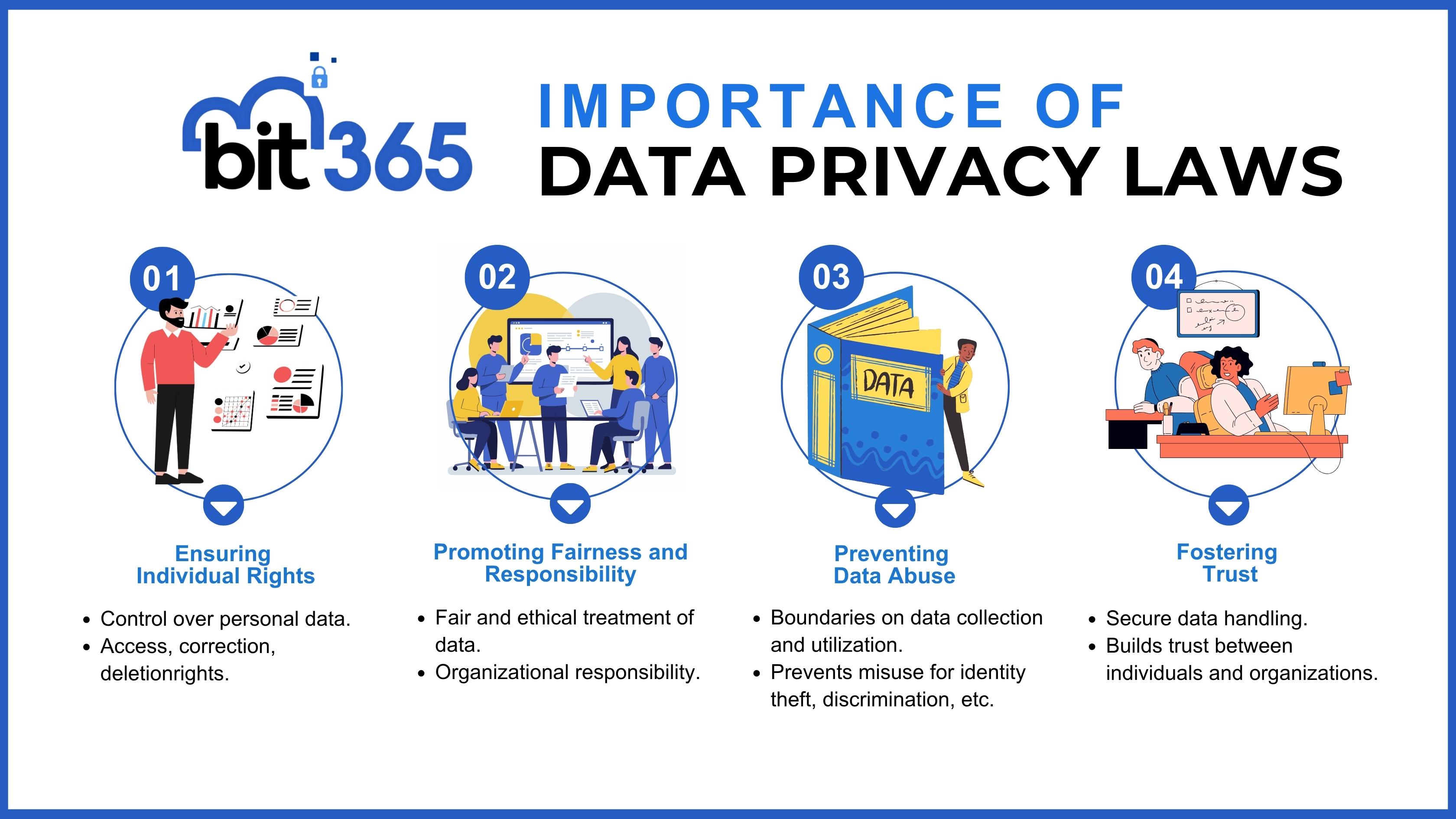
Collecting personal data—whether through contact forms, cookies, bookings, or customer accounts—comes with mandatory privacy obligations. Regulators across Europe, the United States, and Asia-Pacific have tightened their rules, introduced new definitions of “personal information,” and increased fines for even minor violations.

GDPR fines alone have surpassed €5.88 billion, and state regulators in the U.S. are quickly catching up. In Australia, the proposed Privacy Act changes are expected to further expand individual rights and increase penalties for non-compliance.

But compliance isn’t only about avoiding fines. Customers have become far more selective about where they share their data. They expect clarity, transparency, and control. If your privacy practices feel vague, complicated, or outdated, trust erodes and users may walk away.

Strong privacy compliance tells customers:
“Your information is safe with us—and here's exactly how we protect it.”

Privacy Compliance Checklist for 2025

A modern privacy compliance strategy ensures transparency, meets regulatory requirements, and strengthens user trust. Below are the essential elements your business needs in 2025.

Transparent Data Collection

Users must clearly understand what information you collect, why you collect it, and how it will be used. Avoid vague statements such as “we may use your data to improve our services.” Instead, explain your exact purpose in plain language.

Effective Consent Management

Consent should be active, recorded, and easily reversible. Users must be able to opt in and out without friction, and your business should keep accurate logs of when consent was given. Any changes in how you use data require renewed consent.

Full Third-Party Disclosures

If third-party tools handle customer information (email platforms, analytics software, payment processors), this must be clearly stated. Provide details about what they do and how they protect the data.

Privacy Rights and User Controls

Users must be able to request access, corrections, deletion, data portability, and the ability to object to processing. Your process for handling these requests should be simple, fast, and well-documented.

Strong Security Controls

Good privacy depends on good security. Businesses should implement:

  • Multi-factor authentication (MFA)
  • Encryption for data in transit and at rest
  • Regular audits and access reviews
  • Endpoint protection
  • Secure configuration baselines

Cookie Management and Tracking

Regulations now require granular consent for non-essential cookies. Cookie banners should offer:

  • Clear explanations
  • Accept/reject options
  • Granular categories
  • Easy withdrawal of consent

Global Compliance Assurance

If you serve international markets, you must comply with GDPR, CCPA/CPRA, and emerging Asian privacy laws. Key updates include:

  • Broader definitions of personal data
  • Enhanced data portability rights
  • Stricter children’s data protections
  • Shorter breach reporting windows

Aged Data Retention Practices

Regulators expect businesses to delete or anonymise data that is no longer needed. Document retention periods and ensure your systems follow them.

Open Contact and Governance Details

Your privacy policy should include:

  • A dedicated privacy contact
  • A Data Protection Officer (DPO), if applicable
  • Clear escalation or complaint processes

Date of Policy Update

A visible “last updated” date shows regulators and users that privacy is actively maintained.

Safeguards for Children’s Data

Children's privacy requirements are now more stringent. You may need:

  • Verifiable parental consent
  • Restrictions on cookie tracking
  • Stricter language and accessibility on forms

Automated Decision-Making and AI

If you use AI for recommendations, pricing, or assessments, users must understand:

  • How the automation works
  • Its impact
  • Their right to human review

Hidden algorithms are no longer acceptable—transparency is mandatory.

What’s New in Privacy Laws for 2025

Privacy regulations are evolving rapidly. Several global changes are shaping the requirements businesses must follow this year.

International Data Transfers

The EU-U.S. Data Privacy Framework is under significant legal scrutiny, and multiple watchdogs are challenging its validity. Businesses relying on cross-border data transfers must:

  • Reassess their Standard Contractual Clauses (SCCs)
  • Evaluate third-party vendors
  • Ensure that international tools meet adequacy standards

Consent and Transparency

Consent is moving from simple checkboxes to dynamic, ongoing interaction. Regulators expect:

  • Clear opt-in
  • Easy opt-out
  • Complete withdrawal tracking
  • User-friendly interfaces

Automated Decision-Making

Businesses using AI must provide clear explanations about:

  • What the AI does
  • What data it uses
  • How it affects the customer

Many regions now require “meaningful human oversight” of automated decisions.

Expanded User Rights

Expect enhanced user rights worldwide, including:

  • Broader data portability
  • Restrictions on automated decisions
  • The right to limit processing
  • Stronger access controls

Data Breach Notification

Reporting timelines are becoming shorter. Some regions now require:

  • Reporting breaches to authorities within 24 hours
  • Notifying affected users promptly
  • Maintaining detailed breach logs

Children’s Data and Cookie Restrictions

Children’s online data protection standards are becoming universal. Businesses may need:
  • Customised cookie banners
  • Stricter tracking controls
  • Age verification or parental consent processes

Building Your Privacy Compliance Blueprint

A structured privacy compliance blueprint keeps your organisation aligned with regulatory requirements and reduces risk across people, processes, and digital systems.

Step 1: Map Your Data

Identify where personal data is collected, stored, processed, and shared.

Step 2: Update Consent Mechanisms

Ensure active, traceable, user-friendly consent.

Step 3: Formalise Policies and Retention Rules

Document how long you keep data and how you delete it.

Step 4: Strengthen Third-Party Management

Audit third-party tools regularly and update contracts when standards change.

Step 5: Maintain User Access and Control Systems

Set up self-service portals or fast internal workflows for user privacy requests.

Step 6: Review Security Baselines

Align your technical safeguards with compliance requirements.

Step 7: Train Your Team Regularly

Privacy is everyone’s responsibility—not just IT’s.

Step 8: Monitor Regulatory Changes

Privacy laws evolve quickly. Quarterly privacy reviews are essential.

Tips for Businesses

  • Use plain language in all privacy-related communication.
  • Review cookies and tracking tools every quarter.
  • Implement MFA across all user and admin accounts.
  • Document data flows across all systems.
  • Regularly audit third-party services.
  • Refresh your privacy policy whenever processes change.

Common Business Challenges & Solutions

Challenge 1: Keeping up with constantly changing privacy laws

BIT365 Solution: We provide ongoing monitoring, updates, and compliance guidance tailored to Australian SMBs.

Challenge 2: Difficulty managing user consent across multiple tools

BIT365 Solution: Our team helps you centralise consent processes and implement compliant tracking systems.

Challenge 3: Unclear third-party data responsibilities

BIT365 Solution: We assess your vendor ecosystem and ensure contracts meet global privacy standards.

Challenge 4: Lack of internal expertise in privacy or security

BIT365 Solution: We offer practical training and support to keep your team confident and compliant.

Challenge 5: Privacy compliance failing to scale as the business grows

BIT365 Solution: We design privacy frameworks that evolve with your systems, customers, and digital requirements.

Key Takeaways

  • Privacy compliance is no longer optional—it’s essential for trust and legal protection.
  • 2025 regulations emphasise transparency, consent, and user control.
  • Global laws are converging, but requirements vary by region.
  • AI and automated decision-making must be disclosed.
  • Data retention and deletion rules are now strictly enforced.
  • Businesses must actively maintain privacy documentation.
  • BIT365 can help simplify compliance and strengthen your privacy posture.

Related Blogs

🌐 Learn How to Spot Fake LinkedIn Sales Bots
🌐 What Is Endpoint Protection and Why It Matters for Your Business  
🌐 Could Your Business Survive a Data Disaster?

Need Help? BIT365 Is Here to Support Your Business

Privacy compliance in 2025 can feel overwhelming, but you don’t have to navigate it alone. Whether you’re looking to update your policies, strengthen your systems, or build a scalable privacy framework, BIT365 is ready to support you every step of the way.

Contact us today and let’s make your privacy compliance strategy clear, secure, and future-ready.

Book an Expert

Got IT issues slowing you down? We provide both on-site and remote support across Australia, so help is never far away.

Frequently Asked Questons

What IT services does BIT365 provide?

BIT365 offers a full range of managed IT services, including cybersecurity, cloud solutions, Microsoft 365 support, data backup, and on-site or remote tech support for businesses across Australia.

Do you only support businesses in Western Sydney?

No. While we have a strong presence in Western Sydney, BIT365 supports businesses nationwide — delivering reliable IT solutions both remotely and on-site.

How quickly can I get support if something goes wrong?

We pride ourselves on fast response times. With remote access tools and on-site technicians, BIT365 can often resolve issues the same day, keeping your business running smoothly.

Why should I choose BIT365 over other IT providers?

BIT365 combines local expertise with enterprise-grade solutions. We’re proactive, not just reactive — preventing issues before they impact your business. Plus, our friendly team explains IT in plain English, so you always know what’s happening.

December 1, 2025

Privacy Compliance Essentials

November 28, 2025

AI Automation Playbook: How SMEs Can Reduce Workload Without Sacrificing Security

November 24, 2025

The Future of SME Cyber Resilience: How to Build a Zero-Trust Environment in 2025

November 21, 2025

Streamline Data Collection with Microsoft Forms

November 17, 2025

Smart Black Friday Tech Buying Guide for Businesses

November 14, 2025

Stopping Credential Theft in Your SMB

November 7, 2025

How an IT Roadmap Fuels Small Business Growth

November 3, 2025

How Businesses Can Secure AI Tools

October 31, 2025

Simplify Your IT Strategy: How Small Changes Create Big Business Impact

October 27, 2025

Creating a Cybersecurity Culture: Why IT Protection Starts with Your People

October 24, 2025

Data Backup Strategy for Small to Medium Business

October 20, 2025

Why Every Australian Business Needs an IT Roadmap for Growth

October 17, 2025

Login Security: The First Line of Cyber Defense

October 13, 2025

How Smart IT Builds Happy, Engaged, and Loyal Teams

October 10, 2025

Understanding Data Regulations: Why Compliance Matters for Every Small Business

October 6, 2025

How Smart Data Visualization Helps SMBs Make Faster, Better Decisions

October 3, 2025

The AI Tools Every IT Business Should Be Watching (and Where to Start)

September 29, 2025

Brand ≠ Guarantee: What Really Makes Tech Quality for SMBs

September 26, 2025

Why a Laptop Dock Boosts Productivity

September 22, 2025

AI in Everyday Business – Practical Uses for SMBs

September 19, 2025

Is Your Business Wi-Fi Slowing You Down? 8 Smart Fixes for Reliable Connectivity

September 15, 2025

Smart Office Risk: Securing Your IoT Devices

September 12, 2025

Microsoft Planner: Transform Task Management for Your Team

September 8, 2025

10 Smart Knowledge Management Strategies for Small Businesses

September 5, 2025

How to Plan Your IT Budget Without Breaking the Bank

September 1, 2025

Why Clean Data Matters for Small Businesses

August 29, 2025

Why Western Sydney SMBs Need Proactive IT Support — Not Just Break/Fix

August 25, 2025

How to Prepare Your Business for the Cybersecurity Threats of the Second Half of the Year

August 22, 2025

Why Western Sydney Businesses Need Proactive IT Support, Not Just Break-Fix

August 18, 2025

Data Retention Policies for Small Businesses: Why They Matter and How to Get Started

August 15, 2025

Locked Doors, Open Back Doors: The Rising Risk of Supply Chain Cyberattacks for Small Businesses

August 11, 2025

Unlocking Efficiency: How Power Automate Transforms Small Business Workflows

August 8, 2025

Don’t Let Outdated Tech Hold You Back: Why Small Businesses Need a Smart IT Refresh Plan

August 4, 2025

How Smarter IT Onboarding Builds Stronger Teams from Day One

August 1, 2025

The Smart SMB Guide to Cloud Cost Optimization

July 25, 2025

What Makes Microsoft 365 a Must-Have for Modern Businesses

July 21, 2025

Where Do Deleted Files Go? Understanding File Deletion and Recovery

July 18, 2025

10 Powerful Ways to Customize Your Desktop for Better Focus & Productivity

July 14, 2025

Free Up Space and Boost Productivity: Top Cloud Storage Providers for 2025

July 11, 2025

7 New Malware Threats to Watch in 2025

July 7, 2025

Gmail Security in 2025: How to Stay Ahead of AI-Powered Threats

July 4, 2025

The Small Business Guide to Choosing the Right Cloud Storage Solution

June 30, 2025

Remote Work Security in 2025: Smart Strategies for Modern Businesses

June 27, 2025

How to Implement Multi-Factor Authentication (MFA) for Your Small Business

June 23, 2025

Cyber Insurance for Small Business: What's Really Covered (And What's Not)

June 20, 2025

Could Your Business Survive a Data Disaster?

June 16, 2025

How AI Automation Saves Time for Small Businesses

June 13, 2025

Can You Remove Your Data from the Dark Web? Here’s What You Need to Know

June 9, 2025

7 Unexpected Ways Hackers Can Access Your Accounts

June 6, 2025

Safeguarding Your Business: Microsoft 365 Phishing Scams in Western Sydney

June 2, 2025

How to Keep Your Data Safe with Secure Cloud Storage

May 30, 2025

How to Strengthen Your Passwords and Protect Your Accounts in 2025

May 26, 2025

Password Spraying: The Silent Cyberattack Threat Targeting Australian Businesses

April 22, 2025

What CAT6 means?

April 17, 2025

Why Backup Microsoft 365?

April 12, 2025

Cyber Incident Response: Steps to Do in the First 15 Minutes

April 10, 2025

Protect Your Digital Life: Why Cloud Backup Is Essential

April 9, 2025

Why Is My Laptop Slow? Troubleshooting Guide for 2025

April 1, 2025

Why is DMARC Important?

March 31, 2025

What Is Cybersecurity Awareness Training?

March 26, 2025

What Are DMARC records?

March 24, 2025

How To Secure Email in Outlook.com

March 17, 2025

What is Endpoint Security vs Antivirus?

March 15, 2025

Why Do People Get Hacked?

March 5, 2025

What is NBN TC4?

March 1, 2025

How Much Device Storage You Need?

February 28, 2025

What Is Microsoft Modern Workplace? Simple Guide for SMBs

February 17, 2025

What Is Cybersecurity Insurance? A Must-Know for Every Australian Business

February 12, 2025

What is Unified Communications as a Service (UCaaS) - And Why It Matters for Your Busines

February 8, 2025

What is Invoice Fraud?

January 28, 2025

How To Prevent Weak Passwords

January 24, 2025

What Is Content Filtering? A Simple Guide for Australian Businesses

January 20, 2025

Phishing: How to Avoid It

January 14, 2025

Why Cloud Storage Is Essential for Modern Businesses

January 8, 2025

Why You Need Proactive IT Support

December 17, 2024

IT Support for Small Business Near Me: Why Local Expertise Matters

November 26, 2024

New Cyber Cybersecurity Bill: What It Means For Your Business

November 6, 2024

Watch Out for Google Searches - "Malvertising" Is on the Rise!

October 21, 2024

Windows 10 End Of Life Countdown - It's Time to Upgrade Your PC

October 14, 2024

Unmasking the True Price of IT Downtime

October 7, 2024

Streamlining Success - A Guide to Task Automation for Small Enterprises

September 30, 2024

Why Continuous Monitoring is a Cybersecurity Must

September 23, 2024

Tech-Savvy Workspaces How Technology Drives Office Productivity

September 16, 2024

Digital Defense: Essential Security Practices for Remote Workers

September 9, 2024

Weak Passwords Are Putting Your Business at Risk

September 9, 2024

Phishing 2.0: How AI is Amplifying the Danger and What You Can Do

September 2, 2024

The Local Advantage

September 2, 2024

AI Data Breaches are Rising! Here's How to Protect Your Company

August 28, 2024

What Things Should You Consider Before Buying a Used Laptop?

August 5, 2024

Embracing Remote Work with the Right Technology

July 29, 2024

The Economics of the Cloud: Cost-Benefit Analysis for Businesses

July 22, 2024

What Reports Should You Expect Out of Your IT Provider

July 15, 2024

Why Employee Onboarding and Offboarding Checklists Are Critical For Your Business

July 8, 2024

Security In The Cloud: Myths and Realities

June 3, 2024

Why Multi-Factor Authentication is so important for Microsoft 365

May 13, 2024

Three Essential Cybersecurity Solutions for Small Businesses: Important Considerations

May 3, 2024

Explain Like I'm 5: Cloud Jargon and what it means

April 22, 2024

The Essential Guide to Online Safety for Accounting Clients

April 15, 2024

Navigating Cloud Service Providers: Making the Right Choice for Your Business

February 5, 2024

Password Autofill: Convenience Compromising Security?